
Ross Lawn Mowing Services
Choose Ross Lawn Mowing for reliable, professional service that keeps your yard looking its best all season long. Our experienced team delivers precise cuts, attention to detail, and hassle-free scheduling so you can enjoy a beautiful, healthy lawn without the work.
Get a Free QuoteOur Ross Landscaping & Yard Care Services
When to Schedule Lawn Mowing in Ross, Ohio – Seasonal Guide
In Ross, Ohio, the timing of your lawn mowing routine is crucial for maintaining a healthy, vibrant yard throughout the year. The local climate features distinct seasons, with spring and early fall offering the most favorable conditions for grass growth. Typically, mowing begins in late March or early April, once the risk of frost has passed and soil temperatures consistently rise above 50°F. Neighborhoods near Ross High School and along Layhigh Road often experience microclimates due to varying shade coverage and proximity to the Great Miami River, which can influence when lawns green up and require their first cut.
Local environmental factors such as humidity, drought risk during mid-summer, and the clay-heavy soils common in Ross can impact mowing frequency and height. Homeowners in areas like Venice Crossing or near Morgan Township Park should also consider municipal guidelines and precipitation patterns, as heavy spring rains may delay mowing schedules. For more information on local weather and environmental resources, visit the Sudbury town website.
Local Factors to Consider for Lawn Mowing in Ross
- Tree density and shade coverage, especially in established neighborhoods
- Terrain variations, including slopes and low-lying areas prone to pooling
- Seasonal precipitation and risk of drought during summer months
- Soil type, with clay soils requiring careful mowing to avoid compaction
- Municipal restrictions or recommended mowing times
- Proximity to landmarks like the Great Miami River, which can affect microclimates
Benefits of Lawn Mowing in Ross

Professional Lawn Care Expertise
Consistent and Reliable Scheduling
Enhanced Curb Appeal
Time and Effort Savings
Eco-Friendly Landscaping Practices
Comprehensive Yard Maintenance
Ross Lawn Mowing Types

Residential Lawn Mowing
-
Commercial Lawn Mowing
-
Ride-On Mowing Services
-
Slashing and Acreage Mowing
-
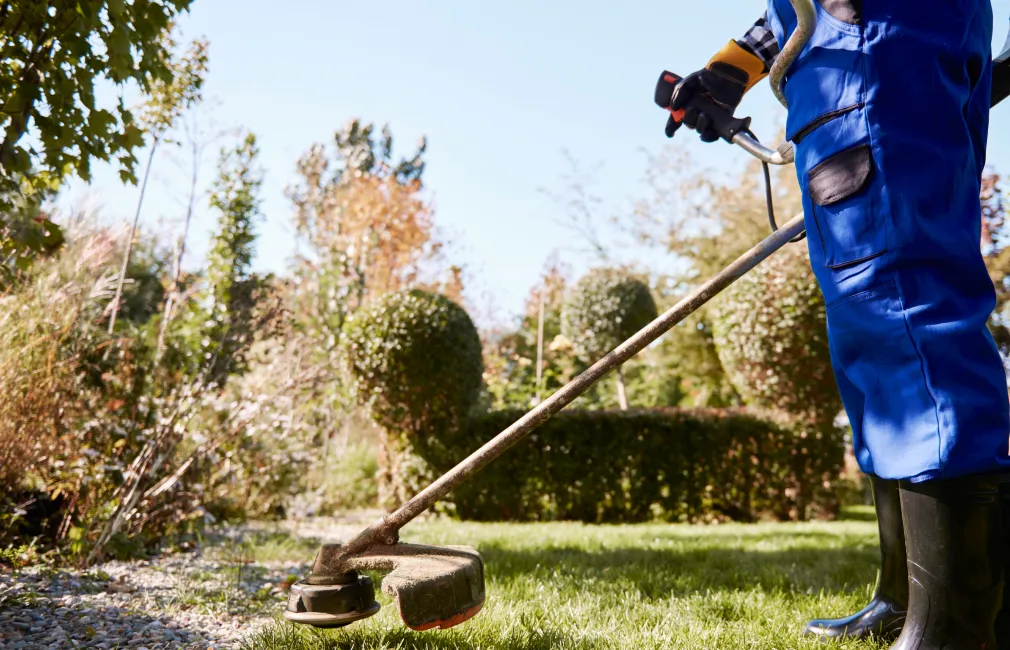
Edging and Trimming
-
Seasonal Lawn Maintenance
-
Sports Field Mowing
Our Lawn Mowing Process
Site Evaluation
Equipment Preparation
Mowing Execution
Edging and Trimming
Cleanup
Why Choose Ross Landscape Services
-
Ross Homeowners Trust Us
-
Expert Lawn Maintenance
-
Reliable Scheduling
-
Competitive Pricing
-
Professional Team
-
Satisfaction Guarantee
-
Personalized Service
Ross’s Alfisols and Mollisols: Soil Series and Mowing Implications
Ross, OH is characterized by predominant Alfisols and Mollisols, as identified by the USDA Web Soil Survey. These soils, often derived from glacial till and limestone, exhibit moderate to heavy clay content and pH levels typically ranging from 6.0 to 7.2. Poor drainage is common in low-lying areas, with seasonal water tables at 12-18 inches. For optimal turf health, core aeration to a depth of 2-3 inches is recommended every 2-3 years, especially in compacted zones. Mowing heights should be maintained at 3-3.5 inches for Kentucky bluegrass (Poa pratensis) and perennial ryegrass (Lolium perenne), the most common turf species in Ross. Soil testing is available through OSU Extension for $15-25 per sample. Incorporate 2-3 inches of compost tilled to a 6-inch depth to improve structure and drainage.
Ross Township Zoning Department
3133 Hamilton Cleves Road, Ross, OH 45061
Phone: (513) 863-2337
Official Website: Ross Township Zoning Department
Equipment Operation Hours and Noise Ordinance Compliance in Ross
Lawn mowing in Ross is regulated under township noise ordinances to ensure community well-being. Equipment operation is permitted during the following hours:
- Monday-Friday: 7:00 AM - 7:00 PM
- Saturday: 8:00 AM - 6:00 PM
- Sunday and holidays: Prohibited All commercial and residential operators must maintain mower mufflers in working condition, with noise levels not exceeding 85 decibels at property lines. Violations may result in code enforcement actions and fines. When mowing near public roads, maintain a 15-foot clearance from traffic and use high-visibility vests. For clarification on local ordinances or to report violations, contact:
Ross Township Road Department
3133 Hamilton Cleves Road, Ross, OH 45061
Phone: (513) 863-2337
Official Website: Ross Township Road Department
Yard Waste Collection and Disposal Procedures for Ross Residents
Proper disposal of grass clippings and yard debris is essential for compliance with Ross’s municipal waste management program. Weekly yard waste collection occurs every Thursday from April through November. Accepted materials include leaves, grass clippings, and brush under 4 feet in length. Residents must use biodegradable paper bags or reusable bins (32-gallon maximum); plastic bags and branches over 4 inches in diameter are prohibited. Clippings must not be deposited in storm drains, as required by the township’s MS4 permit under the Clean Water Act. For additional guidance on collection schedules and accepted materials, consult:
Ross Township Road Department
3133 Hamilton Cleves Road, Ross, OH 45061
Phone: (513) 863-2337
Official Website: Ross Township Road Department
Environmental Compliance: Stormwater, Buffer Zones, and State Regulations in Ross
Lawn mowing activities in Ross must comply with state and federal environmental regulations to protect local water bodies, including the Great Miami River and adjacent wetlands. The Ohio Environmental Protection Act and township MS4 permit prohibit the discharge of grass clippings or fertilizers into storm drains. Maintain a 25-foot no-disturbance buffer from wetlands and a 50-foot setback from water bodies when mowing or applying lawn chemicals. Fertilizer application is restricted to early May and September, with a maximum of 2-3 lbs nitrogen per 1,000 sq ft annually. For questions regarding environmental compliance or reporting violations, contact:
Ohio Environmental Protection Agency Butler County Contacts
Butler County, OH
Official Website: Ohio Environmental Protection Agency Butler County Contacts
Seasonal Timing and Weather Considerations for Lawn Mowing in Ross
Ross is located in USDA Hardiness Zone 6a, with average last frost dates in mid-April and first frost in late October. Optimal mowing frequency is weekly from April 15 to October 31, adjusting for rainfall and growth rates. Avoid mowing during periods of drought or when soil is saturated to prevent turf damage and soil compaction. Monitor local weather forecasts through the National Weather Service Wilmington, OH Office for precipitation and temperature updates. Key timing guidelines include:
- Spring mowing: Begin mid-April when grass reaches 3.5 inches
- Summer: Increase mowing height to 3.5-4 inches during heat stress
- Fall: Continue until growth ceases, typically late October
- Avoid mowing during midday heat (above 85°F)
What Neighborhoods Do We Serve Throughout Ross, OH?
- Venice Gardens: Features mature trees and moderate clay soils, requiring frequent mowing and careful debris management due to dense shade and slower drying after rain.
- Morgan Township Border: Large lots with open exposure and well-drained loams, allowing for efficient mowing but requiring attention to wind-driven clippings and buffer zones near agricultural fields.
- Ross Trails: Subdivision with compacted fill soils and newer construction, where soil aeration and regular mowing are critical for turf establishment and runoff control.
- Shandon: Historic area with older homes, narrow streets, and proximity to the Great Miami River, necessitating strict adherence to buffer regulations and careful equipment access.
- Venice Crossing: Newer development with HOA guidelines on mowing height and debris containment, emphasizing compliance with community standards and noise ordinances.
- Layhigh: Rural area with sloped lots and mixed woodland edges, presenting challenges for mower safety and requiring extra caution near drainage ditches and natural areas.
- Millville: Floodplain location with periodic wet soils, where mowing schedules must adapt to seasonal water table fluctuations and access limitations during wet periods.