

Ross Fertilizing Lawn Services
Choose our fertilizing lawn services for lush, healthy grass that stands out—our expert team uses premium products and proven techniques to deliver greener, thicker lawns while saving you time and effort.
Get a Free QuoteOur Ross Landscaping & Yard Care Services
When to Schedule Fertilizing Lawn in Ross, Ohio – Seasonal Guide
In Ross, Ohio, timing your lawn fertilization is crucial for achieving a lush, healthy yard that thrives throughout the year. The best periods for fertilizing are typically early spring and early fall, when soil temperatures are moderate and grass roots are most active. Ross’s climate, with its distinct seasons and variable precipitation, means that local homeowners should pay close attention to weather patterns—especially the last frost date in late April and the onset of summer heat in June. Neighborhoods near Ross High School or along Layhigh Road may experience microclimates due to shade from mature trees or proximity to the Great Miami River, which can affect soil moisture and nutrient uptake.
Local environmental factors such as clay-heavy soils, common in the Ross area, and periods of high humidity can influence how and when fertilizer is absorbed. It’s also important to consider municipal guidelines and local resources like the Town of Sudbury’s environmental tips for best practices. By tailoring your fertilization schedule to Ross’s unique landscape and weather, you’ll support a resilient, vibrant lawn all season long.
Local Factors to Consider for Fertilizing Lawn in Ross
- Tree density and shade coverage, especially in neighborhoods like Venice Crossing
- Soil type (clay, loam, or sandy soils prevalent in Ross)
- Terrain and drainage, particularly in areas near the Great Miami River
- Seasonal precipitation patterns and drought risk
- Local frost dates and temperature swings
- Municipal restrictions or recommendations on fertilizer use
Benefits of Fertilizing Lawn in Ross

Healthier, Greener Lawns
Improved Weed Resistance
Enhanced Soil Nutrients
Stronger Root Development
Increased Lawn Density
Professional Landscaping Expertise
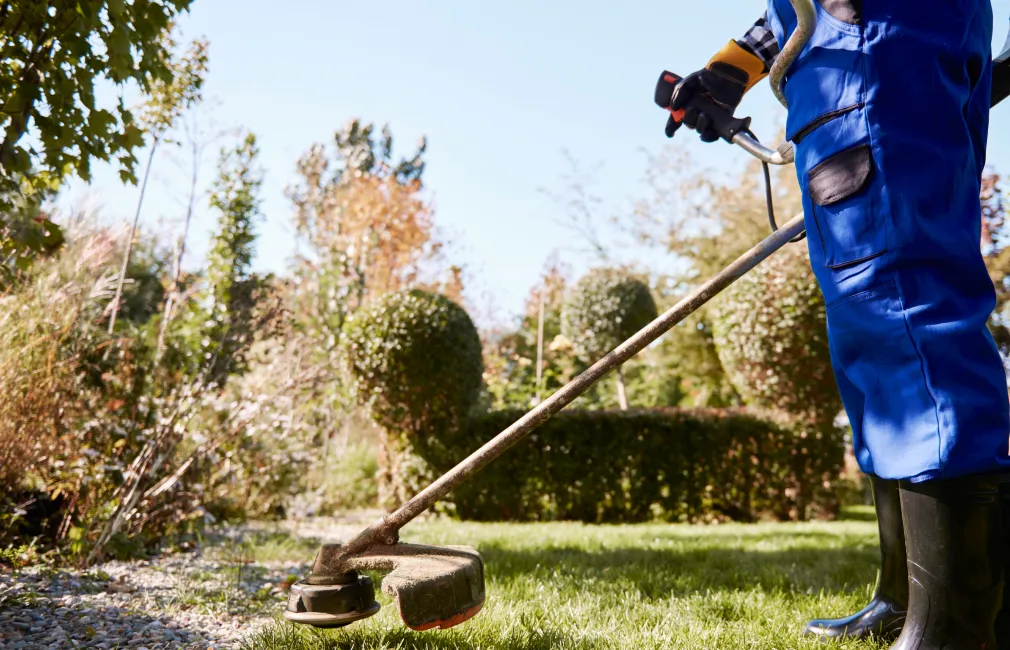
Ross Fertilizing Lawn Types

Cool-Season Grass Fertilization
-
Warm-Season Grass Fertilization
-
Organic Lawn Fertilization
-
Synthetic Fertilizer Application
-
Weed and Feed Treatments
-
Starter Fertilizer for New Lawns
-
Seasonal Fertilizer Programs
Our Fertilizing Lawn Process
Soil Analysis
Fertilizer Selection
Application Scheduling
Even Distribution
Post-Application Inspection
Why Choose Ross Landscape Services
-
Ross Homeowners Trust Us
-
Expert Lawn Maintenance
-
Reliable Scheduling
-
Competitive Pricing
-
Professional Team
-
Satisfaction Guarantee
-
Personalized Service
Ross’s Predominant Soil Series and Fertilizer Application Strategies
Ross, OH is characterized by soils such as the Miamian silt loam and Rossmoyne silt loam, which are moderately well-drained with a pH typically ranging from 6.0 to 6.8. These soils can exhibit moderate compaction in developed areas, affecting nutrient uptake and root growth. For optimal lawn fertilization, soil testing is recommended every 2-3 years through the OSU Extension (typical cost: $15-25). Amendments such as lime should be applied if pH falls below 6.0, while compost incorporation (2-3 inches tilled to 6-inch depth) can improve organic matter. Core aeration to a depth of 2-3 inches is advised for compacted areas. Residents should consult the USDA Web Soil Survey for site-specific soil data.
Ross Township Zoning Department
3133 Hamilton Cleves Rd, Hamilton, OH 45013
Phone: (513) 863-2337
Official Website: Ross Township Zoning Department
Seasonal Fertilizer Timing and Weather Considerations in Ross
Ross falls within USDA Hardiness Zone 6a, with cool-season grasses such as Kentucky bluegrass and perennial ryegrass predominating. Fertilizer should be applied in early May (when soil temperature reaches 55°F) and again in early September for best results. Avoid fertilization from June through August due to heat stress and potential runoff during summer storms. The National Weather Service Wilmington Office provides local soil temperature and precipitation forecasts to guide timing. Key timing guidelines include:
- Spring fertilization: April 25 – May 15 (soil temp 50-65°F)
- Fall fertilization: September 1 – September 30
- Avoid application before heavy rain events
Ross Township Road Department
3133 Hamilton Cleves Rd, Hamilton, OH 45013
Phone: (513) 863-2337
Official Website: Ross Township Road Department
Environmental Compliance: Buffer Zones and Stormwater Protection in Ross
Fertilizer use in Ross must comply with the Ohio Environmental Protection Act and the township’s MS4 stormwater permit, which prohibits fertilizer and grass clippings from entering storm drains or local waterways such as the Great Miami River. Maintain a minimum 25-foot no-application buffer from wetlands and 50 feet from open water. The Ohio EPA and EPA Region 5 oversee enforcement. Compliance steps include:
- Never apply fertilizer within 50 feet of streams or ponds
- Sweep excess fertilizer from hard surfaces
- Use slow-release, phosphorus-free products unless soil test indicates deficiency
- Schedule applications during dry weather
Ohio Environmental Protection Agency Butler County Contacts
401 E. Fifth Street, Dayton, OH 45402
Phone: (937) 285-6357
Official Website: Ohio Environmental Protection Agency Butler County Contacts
Municipal Coordination: Yard Waste Collection and Fertilizer Disposal in Ross
Proper disposal of lawn clippings and excess fertilizer is regulated by Ross Township. Yard waste collection occurs every Thursday from April through November. Residents must use biodegradable bags or reusable bins (32-gallon max); plastic bags and branches over 4 inches in diameter are prohibited. Fertilizer containers should be disposed of according to label instructions and never placed in storm drains. For large quantities, contact the township for hazardous waste guidance. Collection guidelines:
- Weekly pickup: Thursday, April–November
- Accepted: Leaves, grass, brush under 4 feet
- Containers: Biodegradable bags or 32-gallon bins
- Prohibited: Plastic bags, oversized branches
Ross Township Road Department
3133 Hamilton Cleves Rd, Hamilton, OH 45013
Phone: (513) 863-2337
Official Website: Ross Township Road Department
Professional Standards and Safety Protocols for Fertilizer Application in Ross
All fertilizer applications in Ross must adhere to township noise ordinances and equipment standards. Permitted operation hours are:
- Monday–Friday: 7:00 AM – 7:00 PM
- Saturday: 8:00 AM – 6:00 PM
- Sunday and holidays: Prohibited Operators must use calibrated spreaders and wear ANSI Z87.1 safety glasses, chemical-resistant gloves, and steel-toed boots. Maintain a 15-foot clearance from wells and storm drains. Commercial applicators must comply with Ohio pesticide licensing requirements. Safety checklist:
- Eye protection: ANSI Z87.1 glasses
- Gloves: Chemical-resistant
- Footwear: Steel-toed, non-slip
- Equipment: Calibrated, maintained
Ross Township Zoning Department
3133 Hamilton Cleves Rd, Hamilton, OH 45013
Phone: (513) 863-2337
Official Website: Ross Township Zoning Department
What Neighborhoods Do We Serve Throughout Ross, OH?
- Venice Gardens: Features mature trees and moderate clay soils, requiring careful fertilizer timing to avoid runoff into nearby drainage ditches.
- Ross Trails: Newer development with compacted soils and larger lots, where core aeration and soil testing are especially important for effective nutrient management.
- Morgan Township Border: Rural edge with proximity to agricultural land, presenting unique challenges for buffer zone compliance and drift prevention.
- Venice Crossings: Higher-density area with smaller lots and increased impervious surfaces, necessitating strict adherence to stormwater protection and fertilizer application setbacks.
- Ross Estates: Located near the Great Miami River, requiring 50-foot fertilizer setbacks from water and heightened attention to environmental compliance.
- Venice Central: Historic district with older turf and variable soil conditions, often needing customized soil amendment and careful scheduling to meet township standards.